

Breathe.
How conscious breathing alters muscle tone and improves cognitive function

Everyone is talking about breathing.
Benefits of breath work have been a big topic of conversation for the past 20-30 years, but more recently it’s become even more so.
Here’s the good news; everyone currently alive is breathing correctly, because if not, well… we wouldn’t be here. BUT, there are many ways to breathe better.
What does this mean?
There are ways to use breath to reduce pain, anxiety, and emotional turmoil.
And,
There are ways to use breath to improve performance and increase motivation.
The science behind it is quite simple, but there’s a lot more to it. Let’s dive in!
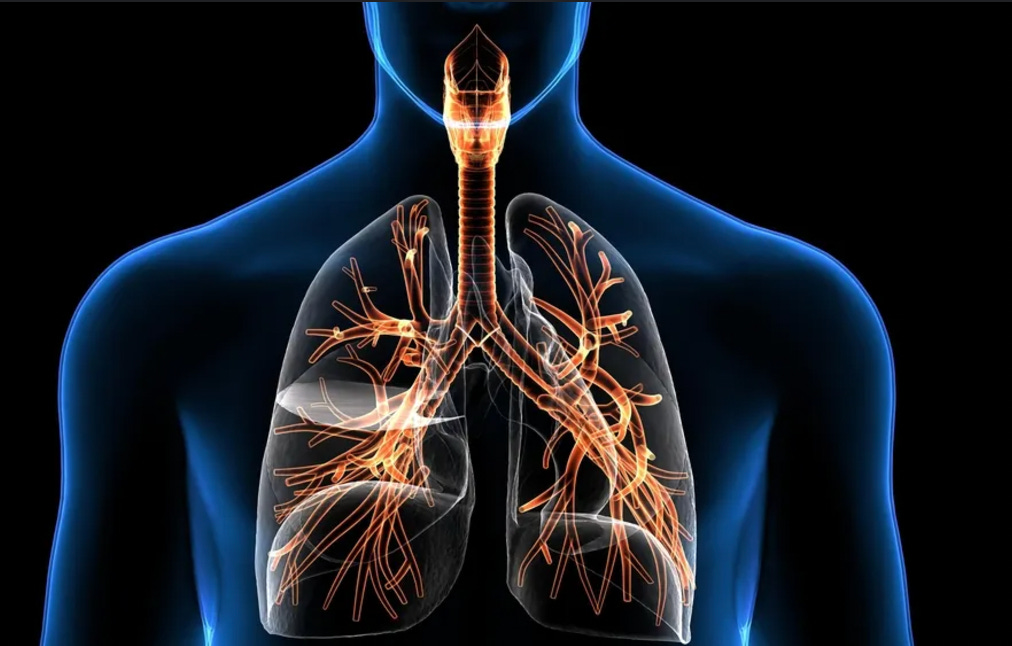
There are many, many different types of breathing exercises, and you may wonder - what’s the BEST one?
All breathing exercises have one thing in common: you are consciously focusing on your breath. Learning to breathe better can help your in a MULTITUDE of ways:
-Better physical performance
-Improving cognitive performance
-Reducing or eliminating pain
-Better sleep, digestion, blood pressure, immune function and more!
As people get older, bodies and cognitive function start to decline. But there are many ways to prevent both, especially for those who want to stay sharp into old age.
Basic Neurology to keep in mind:
Your brain controls the opposite side of your body for all voluntary movement (except for smell).
For example, the right cortex controls all left sided movement. The left cortex controls all right sided movement.
For many of you who are right-handed or right dominant (any lefties out there besides me?), this means that your LEFT cortex (left side of the brain) typically works more frequently for the sheer fact that you use the right side of your body naturally more often.
This can mean MANY things, but what I’d like to point out here is that sometimes, people don’t need to train both sides evenly. Sometimes, a person could benefit more with one sided training.
Same with breathing.
Breathing is typically involuntary, but when you focus on breathing, you are essentially practicing just like any other exercise within your body.
Try this: With each breath, inhale and exhale through your nose at a steady comfortable pace.
Breathe into your hips.
Breathe into your belly.
Breathe into your chest.
Breathe into your throat.
Now: Put your fingers on your right rib cage.
Breathe into your right lung (This activates your LEFT cortex)
Put your fingers on your left rib cage
Breathe into your left lung (This activates your RIGHT cortex)

Three Steps To Proper Breathing
There are different ways to breathe to receive certain results depending on what you’re looking to work on.
If you want to reduce pain, sleep better and reduce overall stress, you are looking to activate your parasympathetic nervous system (also called ‘rest and digest’) and target the vagus nerve.
How to do this? DEEP. SLOW. BREATHS.
By this, I mean: Try 6 deep breaths in 1 minute. Then, set a timer, and see how few breaths you can take in 1 minute.
When it comes to breathing to reduce pain; since pain generally increases sympathetic tone (in other words, pain increases threat, or fight or flight), deep slow breathing triggers certain parts of the brain that lowers sympathetic tone, which increases parasympathetic tone (which can reduce and sometimes entirely rid you of pain).
If you want to get pumped up before a busy day, important meeting, or big performance:
Quick, sharp breaths.
This increases areas like the midbrain, which can help you activate a more heightened elevation of stress. (Remember, stress is not always bad. In fact, short bouts of stress are GOOD and HEALTHY. This will be a future topic.)
NOSE BREATHING vs MOUTH BREATHING:
You may have heard that mouth breathing is not ideal in general. Why?
When you breathe through your nose, it forces air to come in and out at a slower pace, and filters out bacteria and other harmful things in the air.
Breathing in through the mouth allows a big gulp of air much more quickly, which can trigger anxiety and stress. Not to mention, your mouth does not have an “air filter”.
When you’re working out or doing anything with an increased heart rate, notice when you start breathing through your mouth. Try to typically only breathe through your nose, even when fatigue is setting in (unless your teacher tells you otherwise).
It seems so simple but breathing exercises can alter muscle tone, change mobility, strength, stability, and increase cognitive coordination.
How to start? Do a breathing exercise 2x a day for 15 seconds.
In the morning: sharper, quicker breaths.
In the evening: Deep, slow breaths.
Types of breathing exercises to try:
Box Breath: Inhale 4, hold 4, exhale 4, hold 4
Triangle breath: Inhale 3, hold 3, exhale 3, hold 3
Inhale quickly, hold breath, then try to suck in more air at the top, before exhaling completely and fully
(There are MANY breath techniques out there. The bottom line is to consciously focus on your breath!)
Another thing to think about:
An untrained person should be able to hold their breath ideally for 50-70 seconds, but most people get uncomfortable by 30 seconds. You can train yourself to hold your breath longer.
The science of breathing is a FASCINATING and wonderful subject. To learn more about the neuroscience of breathing to improve your own practice, click here
https://www.smithsonianmag.com/science-nature/how-does-breathing-affect-your-brain-180980950/
https://zhealtheducation.com/product/the-breathing-gym/
Thanks As Always. Until Next Time -L
Really cool stuff! Also seems like you could work all of these breathing practices into your meditation 🤔